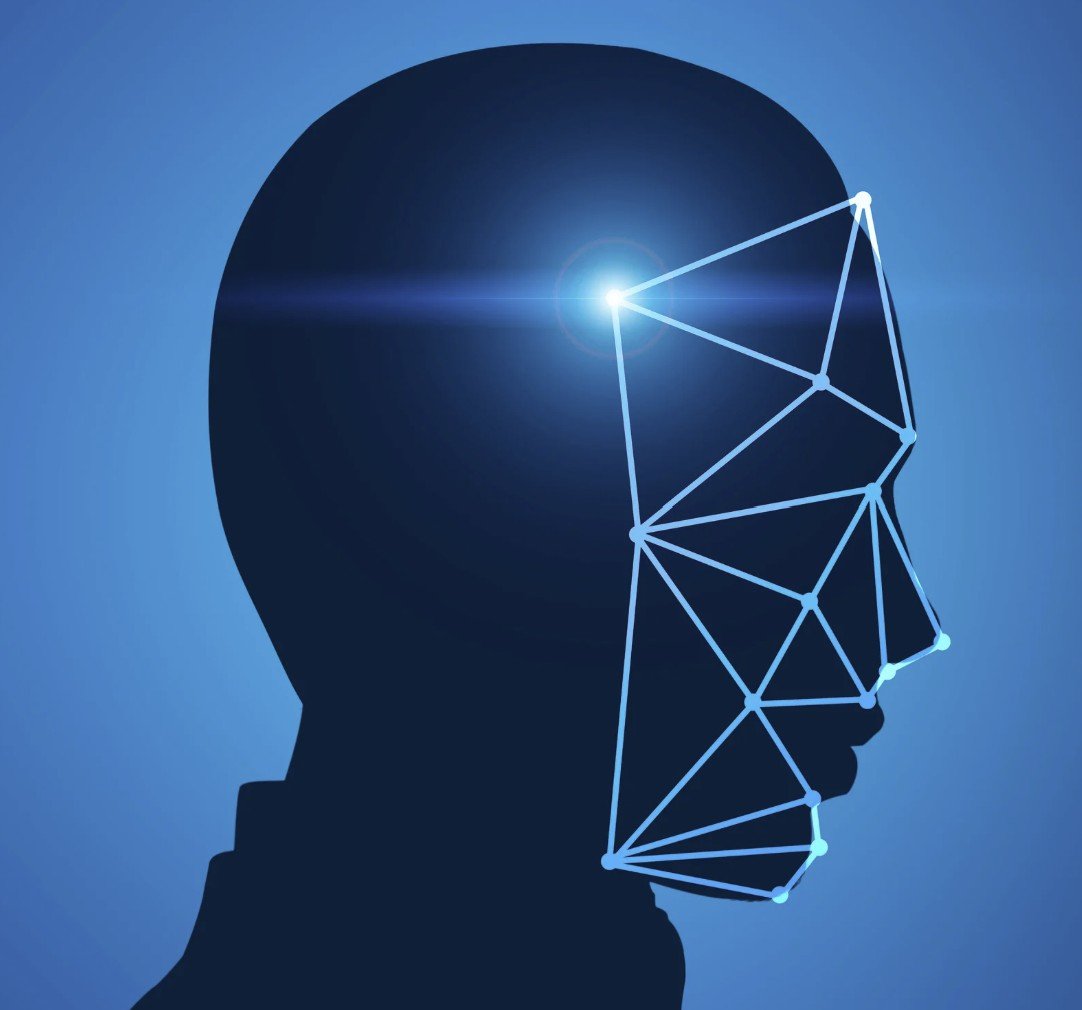
In the modern business landscape, personalization is not just a luxury but an absolute necessity. It’s the secret sauce that improves customer engagement, enhances customer experience, and boosts conversion rates. Indeed, Epsilon research has found that a whopping 80% of consumers are more likely to make a purchase when brands offer personalized experiences. Let’s delve deeper into the compelling power of personalization and how it can be harnessed to tailor your marketing for better sales.
The Power of Personalization
Personalization in marketing refers to the strategy of using individual customer data to tailor content, products, emails, and more to meet the specific needs and preferences of each customer. It’s about creating a unique and individualized experience for each customer. As Stan Rapp, Co-founder of Rapp Collins Worldwide, succinctly puts it:
“Consumers are statistics. Customers are people.”
The Role of AI and Machine Learning
The next generation of personalization is being driven by AI and machine learning. These technologies are enabling real-time and predictive personalization, making it possible for marketers to provide highly relevant and personalized content to their customers at scale. This not only improves the customer experience but also significantly increases the likelihood of conversions and sales.
Challenges in Personalization
Despite its undeniable benefits, implementing personalization can be challenging. One major challenge is gathering and analyzing customer data. It’s one thing to collect data, but quite another to analyze it effectively and use it to create personalized content.
The other major challenge is delivering personalized content at scale. While it’s relatively easy to personalize content for a few customers, doing so for thousands or even millions of customers can be a daunting task.
The Solution: Customer Segmentation and Behavioral Targeting
Two key strategies for overcoming these challenges are customer segmentation and behavioral targeting. Customer segmentation involves dividing your customer base into distinct groups based on common characteristics such as demographics, buying behavior, and interests. This allows you to tailor your marketing efforts to the specific needs and preferences of each segment.
Behavioral targeting, on the other hand, involves tracking your customers’ online behavior (such as the websites they visit, the products they view, the emails they open, etc.) and using this data to deliver highly relevant and personalized content.
Expert Insights
As Dan Jak, Email Marketing Manager at Next, points out:
“Personalization – it is not about first/last name. It’s about relevant content.”
This underscores the importance of delivering content that is not only personalized but also highly relevant to each customer’s needs and preferences.
Brendan Witcher, Vice President and Principal Analyst at Forrester Research, goes a step further, arguing that:
“In the age of the customer, personalization is becoming an expectation…not a nice-to-have.”
This highlights the fact that customers today expect personalized experiences, and businesses that fail to deliver on this expectation risk falling behind.
Conclusion
In conclusion, the power of personalization cannot be overstated. It’s a crucial strategy for improving customer engagement, enhancing the customer experience, and boosting sales. However, implementing personalization effectively requires overcoming several challenges, including gathering and analyzing customer data and delivering personalized content at scale. By leveraging customer segmentation, behavioral targeting, and the latest AI and machine learning technologies, businesses can overcome these challenges and harness the power of personalization to tailor their marketing for better sales.